


The Promise of Democracy: What are you pissed about right now?

On how to be engaged with your community in hyperlocal activism.
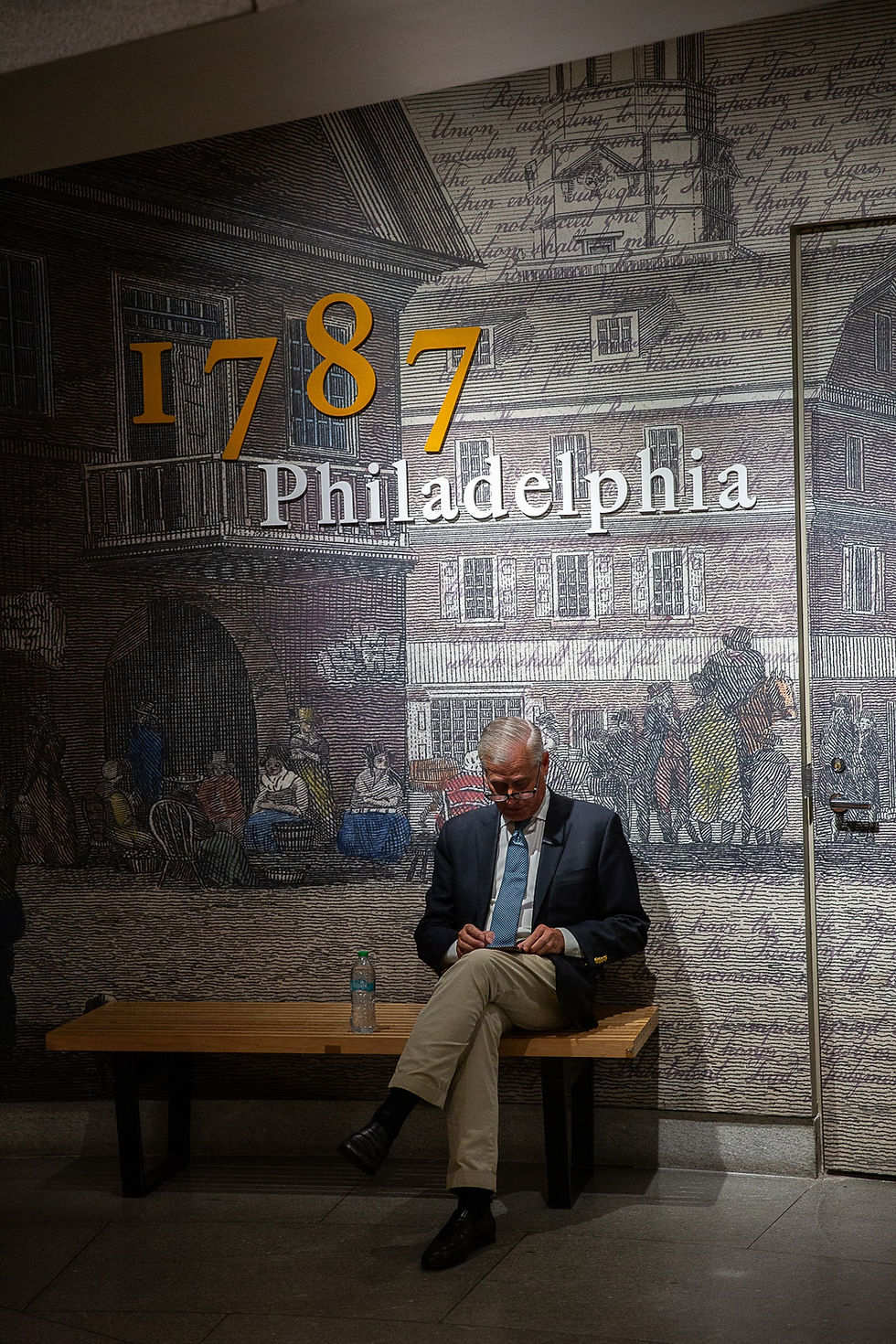
When the average young voter or future voter begins to want to get involved in political activism, they can very easily get discouraged and unsure about where to start.
At The Committee of Seventy [event?], Marc Morial, president and CEO of the National Urban League and Secretary of the Commonwealth, Al Schmidt discussed voter apathy in adults. They agreed that when voting does not bring the outcome that citizens want the first time they vote, these citizens are then less likely to vote later, as they feel their vote does not make any difference.
Celina Stewart, CEO of the League of Women Voters of the US, who was also on the panel, disagreed with the two men declaring that she was “not a fan of the word apathy.” She explained that we confuse apathy with the cause of…, but it instead is an outcome. She cited Morial and Schmidt’s example, saying that citizens are being told their vote doesn’t matter, but she emphasized that the system backs up that claim by leaving citizens feeling forgotten. She declared, “apathy villainizes voters.”
It is easy to be “apathetic” to the world around you when you can only see so much physical change right in front of you. As a not-eligible-to-vote youth, when you hear about adults who don’t “care enough” to vote, it can be rage-inducing, yet what are you to do? You can’t even vote.
Heidi Pryzbyla, the moderator of this conversation and founder of Get Real News suggested reframing this apathy that so many citizens are finding themselves faced with around hyper-local, “kitchen table” based communication.
“Kitchen table” communication means interacting and civically engaging with the day-to-day people who you interact with in your community – your next-door neighbor, the people who go to your gym, someone you see at your grocery store! Morial agreed and encouraged all citizens to be willing to go door to door to interact with neighbors and campaign for the official you want to get elected
Stewart also supported this mentality, recommending not just hyper-local communication, but hyper-local action based in activism.
Getting people to register to vote is half the battle. Stewart emphasized the importance of helping get people to the voting booth with knowledge of the candidates, “that’s where the local community comes in.”
She advised civically engaged citizens to start asking their neighbors, “What are you pissed off about?”
Having a conversation with your peers about what they want to see get better within their community and life has the potential to be more impactful than any Instagram ad they run across could ever be.
“Pain is the motivator; power is how you get people to action.,” Stewart explained, defining democracy as “ordinary people doing extraordinary things because of the pain that they experienced."
Whenever you feel pain at the state that America currently finds itself in- whenever that may be- talk to your neighbors, write to Congressfolk, go door to door. Stewart ended the panel by recommending Philadelphians frustrated by issues to “arm [your neighbors] with information and something they can do about it.”
Change can happen from just a conversation. You can be the person to start one.


Comments